
Current Guidance
Pediatric MMR (Measles, Mumps, Rubella) Guidance
- Age 0 to 6 months: Children are not eligible for the vaccine.
- Age 6 to 12 months: The vaccine should be administered if the child is traveling to endemic countries in Africa and Asia (including India)
- 12 months: Recommended age for first dose of MMR
- 4 years: Recommended age for the second dose of MMR
- Post-exposure dosing: If a child between 6 months and 4 years is exposed to measles; a dose can be administered before the usual schedule listed above. Early dosing is not otherwise recommended.
Adult MMR (Measles, Mumps, Rubella) Guidance
- Born before 1957: Considered immune due to widespread circulating measles
- Born after 1967: Considered immune if there is documentation of receiving 2 measles vaccines
- Born between 1957-1967: Due to the likelihood of a less effective vaccine given during this timeframe, it is reasonable to receive a booster dose of MMR
- If you were born after 1967 and there is no written documentation of measles vaccination, but you are confident that you received the standard childhood vaccines, we would not recommend re-immunization.
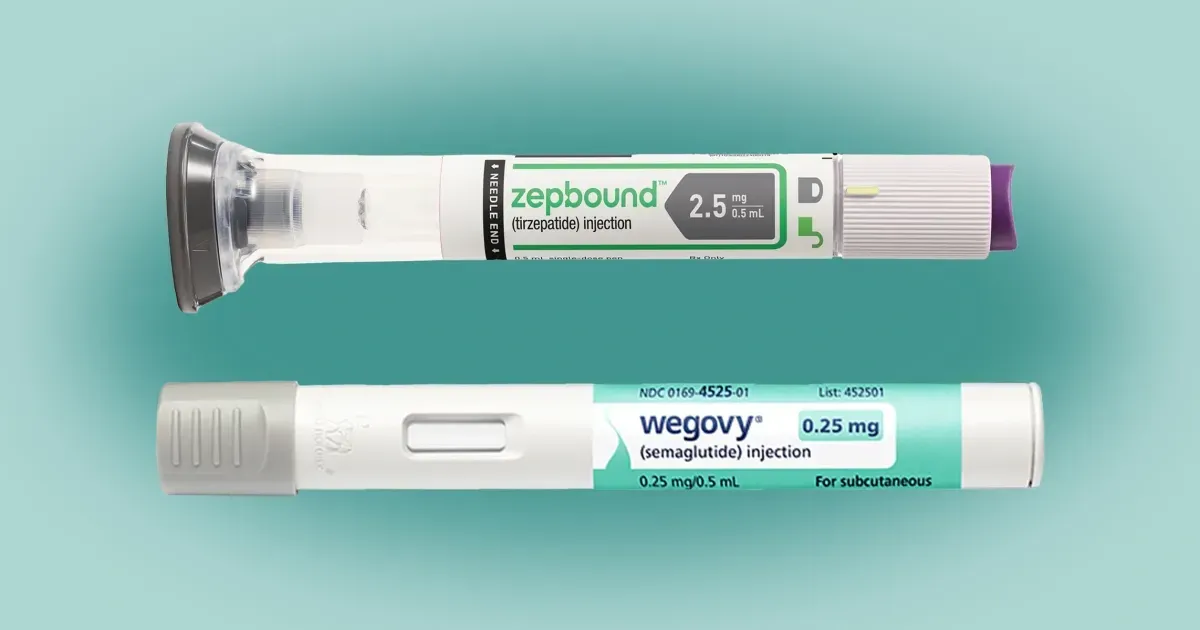
Weight Loss Drugs
GLP-1 medications like Ozempic have been in use since 2005. GLP-1 therapy was only used for diabetes until 2021, when approval for weight loss was granted. These injectable medications have proven to be a safe and effective way to lose 10-20% of body weight for those who are overweight.
Insurance coverage for these medications varies widely. If you would like to consider treatment with one of these medications, please investigate your insurance coverage using the links below before scheduling a visit to discuss with your provider.
If your insurer grants initial approval for treatment, we will likely need to see you for follow-up visits to verify the medication's efficacy, which is essential for continued approval by your insurer.
Medicare Bridge Program for GLP-1 Prescriptions
Effective July 1, 2026, weight-loss medications are available at a monthly cost of $50 dollars to some, but
not all, Medicare enrollees.
Eligibility:
- You must be enrolled in Medicare Prescription Drug coverage (Part D). If your prescription drug coverage is outside of Medicare, you are not eligible for this program.
- BMI >35 or
- BMI>30 with heart failure, uncontrolled blood pressure over 140/90 on two blood pressure medications, or chronic kidney disease or
- BMI>27 with pre-diabetes, previous heart attack, previous stroke, or symptomatic peripheral artery disease
Not Eligible:
- You have previously received a GLP-1 (weight loss medication) through your Part D plan
- You have moderate to severe obstructive sleep apnea, advanced fatty liver with liver fibrosis, or type 2 diabetes (if you have these conditions please let us know as you may qualify directly through Part D prescribing but not through the bridge program)
If you believe you are eligible and would like to pursue a prescription, please call to schedule a visit to review further details.
Treating Cholesterol
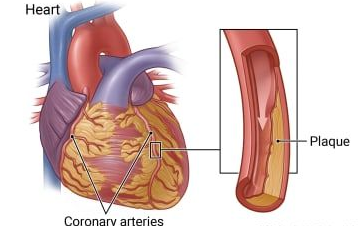
Many of our patients note that their cholesterol numbers are above the laboratory reference range, yet we are not recommending treatment. The reason: Cholesterol numbers are just one of many factors involved in assessing cardiovascular risk (heart attack and stroke risk).
- Age and Sex
- Height/Weight/BMI
- Blood Pressure
- Smoking Status
- Blood Sugar/Diabetes Status
- Kidney Health (GFR measured in a basic metabolic panel)
All of these additional factors are taken into account when deciding whether cholesterol treatment is indicated.
This CVD Risk Estimator is used to assess 10 and 30 year Cardiovascular Disease Risk. If 10 year risk is more than 7.5% or 30 year risk is above 20% then consideration should be given to treatment with medication to lower future risk for heart attack and stroke.
When CVD risk is borderline or there are other factors like a strong family history of CVD we also consider one time evaluation of tools that may alter our assessment of your risk. These include:
- Lipoprotein (a)
- CT Cardiac Calcium Scoring
First-line treatment for everyone with elevations in cholesterol remains a heart healthy diet (low in saturated fats, rich in vegetables, and fiber), regular exercise (at least 150 minutes per week), maintaining a healthy weight and avoiding tobacco products.
If you have questions about your Cardiovascular Disease Risk and whether treatment with a medication is right for you, please schedule a visit to review this in detail.